WhatsApp:
+1 (413)758-9837
Address:
United Kingdom
WhatsApp:
+1 (413)758-9837
Address:
United Kingdom
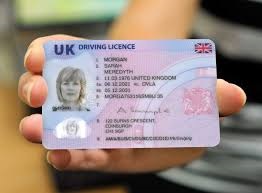
Turning 17 and finally being able to drive is genuinely exciting but the paperwork stage trips up more new drivers than the driving itself ever does. This is New UK Driver? Your First Driving Licence Checklist a proper, physical checklist you can work through in order, rather than a vague overview that leaves you guessing what to actually do first. get driving licence uk
Whether you’re wondering how to get a UK driving licence for the very first time, or you’re a parent helping a teenager through it, here’s every step from “not eligible yet” to “provisional licence in hand. get driving licence uk
Before you touch a single form, confirm you actually meet the basic requirements. This takes two minutes and saves a rejected application later. how to get a uk driving licence
Age requirements:
Residency requirement: you must be resident in Great Britain to apply for provisional driving licence entitlement through DVLA (Northern Ireland uses a separate system via the DVA). how to get a uk driving licence
Vision requirements:
Quick eligibility checklist:
If you’ve ticked every box, you’re genuinely ready to move to the paperwork stage.
This is the step that saves the most time. Gathering everything before you open the application, rather than mid-form, is the single biggest reason some applications sail through in a week and others drag on. how to get a uk driving licence
Essential documents:
If you don’t have a UK passport: you’ll still be able to apply, but through a paper D1 application with alternative accepted identity documents instead this route takes noticeably longer, so it’s worth knowing this in advance rather than discovering it partway through.
how long to get driving licence uk apply for first driving licence
dvla apply for driving licence uk driving licence cost
Documents needed for provisional licence, if applying without a passport:
A quick note for parents helping a teenager through this: having the passport, National Insurance details, and address confirmed before sitting down together to apply turns this into a five-minute job instead of a stop-start half hour.
With everything gathered, the actual DVLA provisional licence application itself is refreshingly quick.
Step 1: Go directly to the official GOV.UK service. Search for it directly, or navigate via the main GOV.UK driving licence section. Never use a third-party site — copycat sites charge extra “processing fees” for exactly what GOV.UK offers directly, and they don’t speed anything up.
Step 2: Enter your personal details. Your full name, date of birth, and current address entered exactly as they appear on your passport, since even small mismatches can cause delays.
Step 3: Complete identity verification.
Step 4: Confirm your declaration. You’ll confirm your details are accurate and that you meet the eligibility and health requirements covered in Part 1.
Step 5: Pay the application fee.
Step 6: Submit and wait.
What you cannot do yet: you cannot legally practise driving until the physical provisional licence actually arrives — a confirmation email alone isn’t sufficient, so don’t book a lesson or ask a parent to supervise you until it’s genuinely in your hands.
Once your provisional arrives, you can:
Booking your theory test: you can book this as soon as you hold a valid provisional licence — many learners wait until they’re a few weeks into lessons, once they’re genuinely building road sense, rather than booking on day one.
Preparing for the practical test: comes once you’ve passed theory and your instructor confirms you’re approaching test standard — for the full breakdown, see our companion guide, Complete Guide to Getting a Full UK Driving Licence in 2026.
Receiving your full UK driving licence: once you pass your practical test, your provisional is exchanged for a full licence — in most cases automatically, with your photocard arriving within around three weeks. You can drive immediately after passing, without waiting for the card itself. 10 Common Mistakes That Delay Your Full UK Driving Licence
Provisional Driving Licence Guide
Who can apply for a provisional driving licence? Anyone aged 17 or over (16 with qualifying PIP, or for a moped with CBT), resident in Great Britain, who meets the basic eyesight requirement.
What documents do I need? Ideally a valid UK passport for instant verification, plus your National Insurance number if requested and your current address. Without a passport, alternative identity documents are accepted via a paper application.
How much does a provisional licence cost? £34 if you apply online, or £43 by post using a paper D1 form.
How long does it take to arrive? Typically around one week for online applications with a passport and no additional checks. Postal applications generally take longer.
Can I learn before my licence arrives? No. You must have the physical provisional licence in hand before you can legally practise driving, even with a supervisor present. How to Pass the UK Theory Test on Your First Try
Practical Driving Test Tips to Pass First Time
When can I book my theory test? As soon as you hold a valid provisional licence, though most learners wait until they’ve had a few lessons and are building genuine road awareness first.